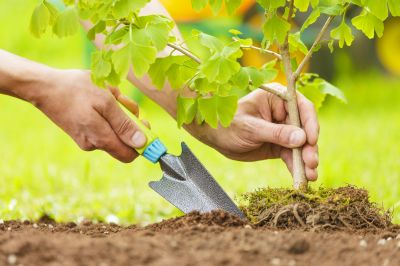
Pear Tree Planting in Honolulu, HI
Pear Tree Planting services involve selecting, preparing, and planting trees to enhance the beauty, shade, and value of residential properties. These projects can range from planting young trees in new landscapes to adding mature specimens to existing yards. Homeowners often seek guidance on choosing the right tree species for their property, considering factors like space, soil conditions, and aesthetic preferences. Proper planting techniques are essential to ensure healthy growth and long-term stability, making professional assistance valuable for achieving optimal results.
Property owners interested in pear tree planting typically want to understand the best timing for planting, the space requirements for healthy growth, and ongoing care considerations. Clarifying the specific types of pear trees suitable for the local climate and soil can help ensure successful establishment. Additionally, understanding how to prepare the planting site and the maintenance needed afterward can support the tree’s development and longevity, contributing to a thriving landscape.
Many property owners in Honolulu, HI look into Pear Tree Planting for repairs, replacements, upgrades, and appearance-related improvements.
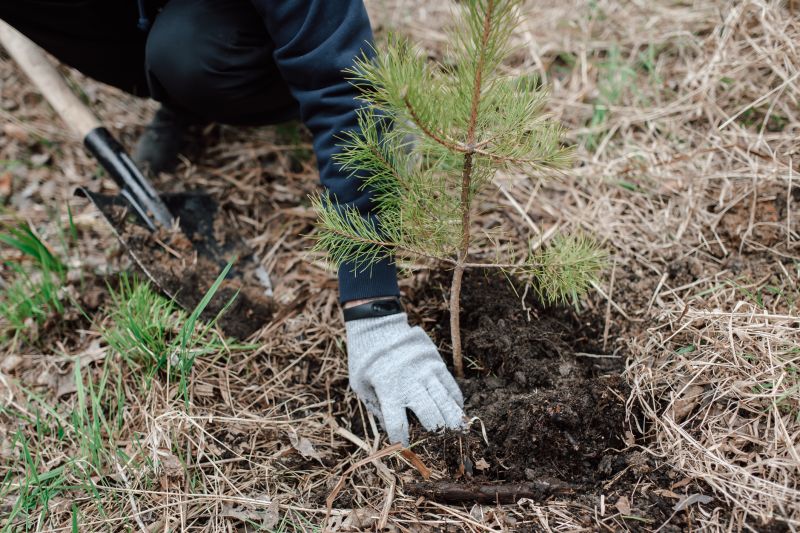
Tree Selection And Placement
Choosing the right pear tree varieties to suit your landscape and preferences.
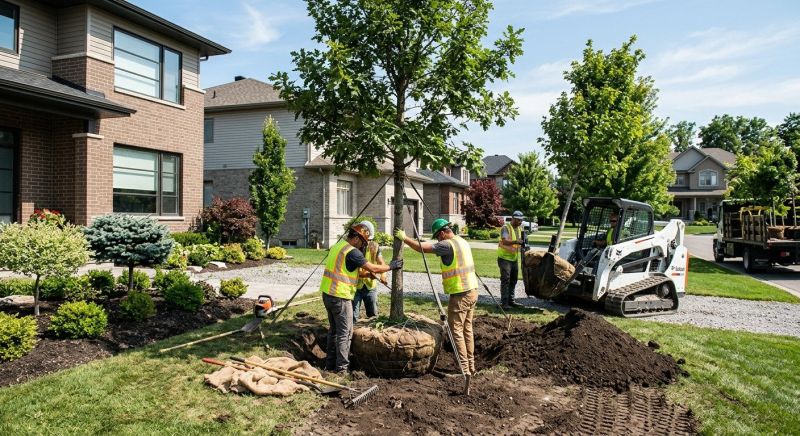
Planting And Soil Preparation
Proper techniques for planting and preparing soil to ensure healthy growth.
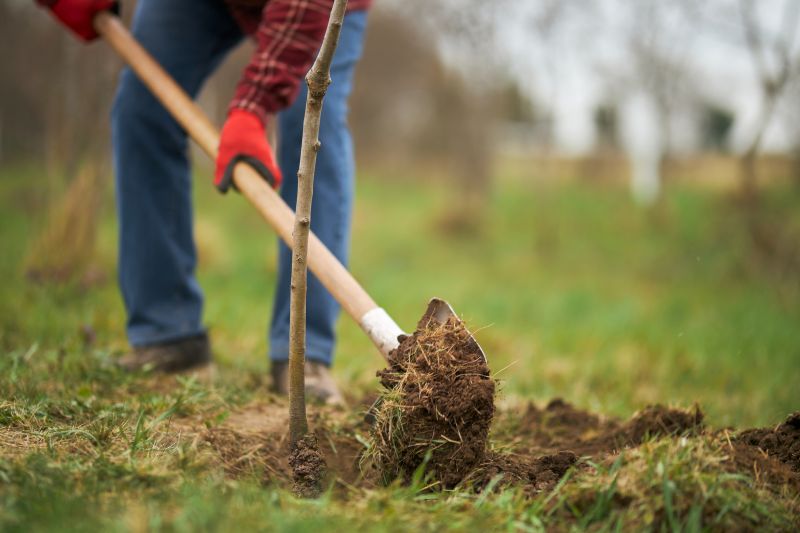
Maintenance And Care
Guidance on watering, pruning, and caring for pear trees to maximize fruit production.
Pear Tree Planting in Honolulu, HI

Pear Tree Planting services involve selecting, preparing, and planting trees to enhance the beauty, shade, and value of residential properties. These projects can range from planting young trees in new landscapes to adding mature specimens to existing yards. Homeowners often seek guidance on choosing the right tree species for their property, considering factors like space, soil conditions, and aesthetic preferences. Proper planting techniques are essential to ensure healthy growth and long-term stability, making professional assistance valuable for achieving optimal results.
Property owners interested in pear tree planting typically want to understand the best timing for planting, the space requirements for healthy growth, and ongoing care considerations. Clarifying the specific types of pear trees suitable for the local climate and soil can help ensure successful establishment. Additionally, understanding how to prepare the planting site and the maintenance needed afterward can support the tree’s development and longevity, contributing to a thriving landscape.
Many property owners in Honolulu, HI look into Pear Tree Planting for repairs, replacements, upgrades, and appearance-related improvements.
Common Pear Tree Planting Jobs
Tree planting - adding new trees to enhance landscape beauty and provide shade.
Ornamental pear trees - installing decorative trees to add visual interest to yards.
Fruit tree planting - establishing fruit-bearing trees for home harvests and fresh produce.
Shade tree installation - planting large trees to reduce outdoor temperatures and improve comfort.
Tree replacement - removing old or damaged pear trees and replacing them with healthy specimens.
Urban tree planting - integrating trees into residential and commercial properties for improved curb appeal.
Pear Tree Planting Questions
What types of pear trees can be planted? Common options include Bartlett, Bosc, and Comice, suitable for various climates and landscape needs.
When is the best time to plant a pear tree? The ideal time is during early spring or fall when the weather is cooler and soil is moist.
How much space is needed for planting a pear tree? Typically, pear trees require about 15 to 20 feet of space to grow healthily and produce fruit.
What soil conditions are best for pear trees? Well-drained soil with a slightly acidic to neutral pH is recommended for optimal growth.
Request Pear Tree Planting in Honolulu, HI
Use the quote form on this page to share the basics of your project and request more information for the type of work you need.